

Cool Stuff #2: Black America and South America
- Jan 20, 2020
- 3 min read
If I'm being entirely honest, most of this blog will be devoted to the ocarina, a type of flute from South America. I personally own two of these instruments (a Peruvian 8-hole and a 12-hole sweet potato) and have loved them for years: I figured that this blog would be an excellent place to look deeper into their history. They come in a wide variety of shapes and sizes, with differing numbers of holes and chambers for wider ranges of sound. Perhaps the most iconic ocarina is the royal blue flute used in Nintendo's The Legend of Zelda: Ocarina of Time - which is, admittedly, how I was first introduced to the instrument. I just think they are absolutely beautiful instruments and I could talk so much about them. They are fairly easy to pick up and play while still sounding unique and wonderful; I was twelve when I bought my plastic sweet-potato from STL Ocarina, and within a month or so I had already taught myself multiple melodies from Zelda.
The ocarina was first developed by the Aztec and Incan empires. At that time, Europe still only had simple, wooden flutes; ocarinas were made from clay and often fashioned into intricate shapes. However, when the conquistadors arrived in South America, the ocarina soon found its way to Europe. There, Italian craftsmen fashioned it to play western scales. Small ocarinas were even given to American soldiers in World War II to boost morale, as they were easy to learn and transport. However, because of its ease of playing, it is often misclassified as a child's toy. All the while, the ocarina continued to be crafted by hand and played in South America. Thanks to Ocarina of Time, it has seen a surge in popularity in the past couple of decades; meanwhile, a resurging interest in indigeonous music has also seen its use in popular music.

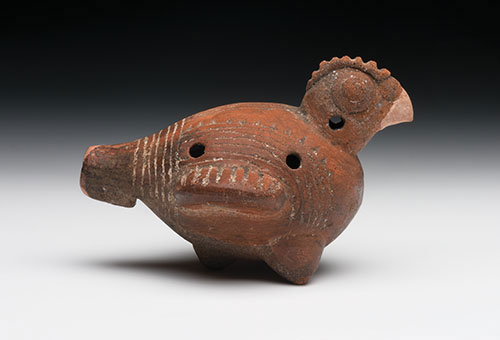

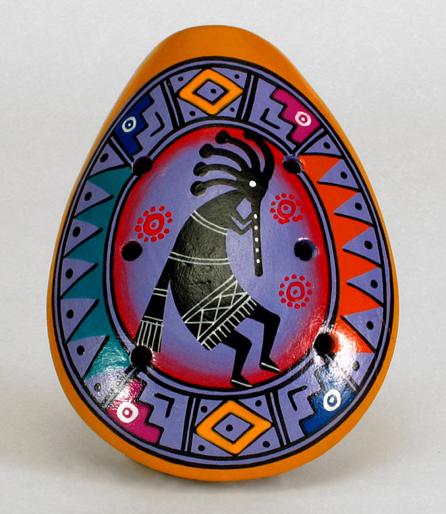

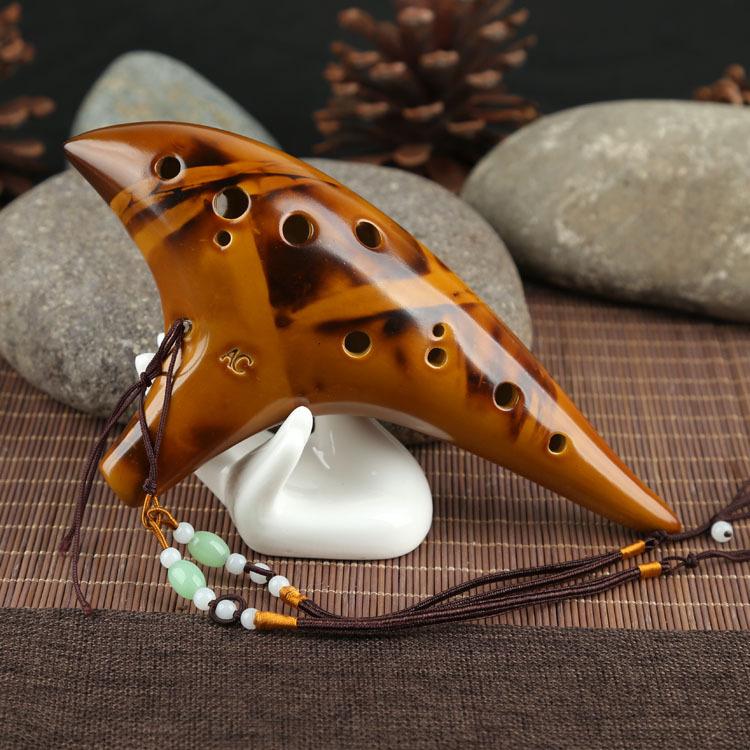

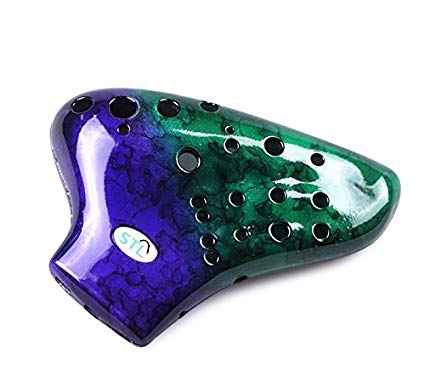
Okay, I'm done raving about my favorite instrument. I also wanted to talk a bit about the samba and B.B. King.
There are actually multiple types of samba dances which broadly fit into two categories: solo and partner. Solo samba is what you will see at Carnival and is regarded by many Brazilians to be true samba; partner samba is often seen in the ballroom or in social gatherings. When I think of samba, I tend to think of the latter; I didn't know until today that there was a type of samba in Carnival. The samba is actually Afro-Brazilian in origin; many of the moves and rhythms came from slaves on sugar cane plantations. When they were freed, they put together dance troupes and performed at Carnival, As a result, it was often sneered at by the upper class, but the energy of the dance was infectious and its popularity soared.
B.B. King is my grandfather's favorite artist, so I wanted to learn a little more about him. He is considered "The King of Blues" and was inducted into the Rock and Roll Hall of Fame in 1987. During his 70s, he continued an active music career, appearing in more than 200 concerts per year.
King's music journey began in his church's gospel choir; his minister taught him his first three chords on the guitar. He later became a radio musician, and once he became more popular, began to tour with his band. During one of his shows, a bar fight broke out and ended up setting fire to the venue. Though everyone was evacuated safely, King rushed back in to grab his guitar. When he learned the men were fighting over a girl named "Lucille," he named his guitar after her, to remind himself never to fight over women or run into burning buildings.
Image credits (in order of appearance); President and Fellows of Harvard College, Peabody Museum of Archaeology and Ethnology: no definitive credits: no definitive credits: STL Ocarina
Comments